











An infrared thermal imager is a non-contact device that detects infrared radiation or heat, converts this measurement into an electronic signal, and then processes this information to generate a thermal image. Besides producing clear thermal images in no light and low light conditions, the heat detected by an infrared camera can be accurately quantified to calculate temperature differences.
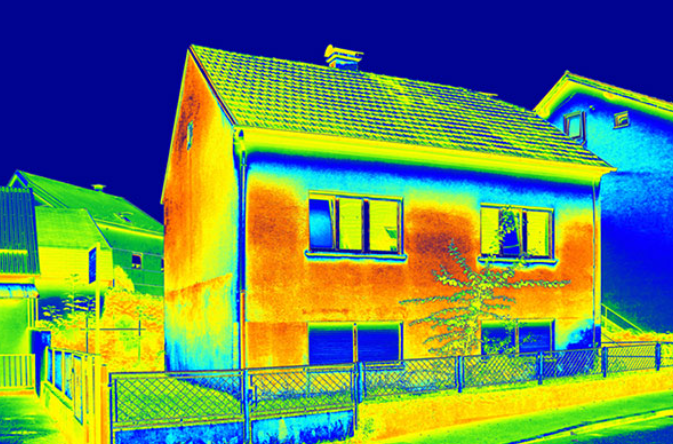
Infrared thermal imagers can be used in a variety of environments and offer numerous benefits to end users, especially with recent innovations making infrared technology more practical and valuable than ever before.
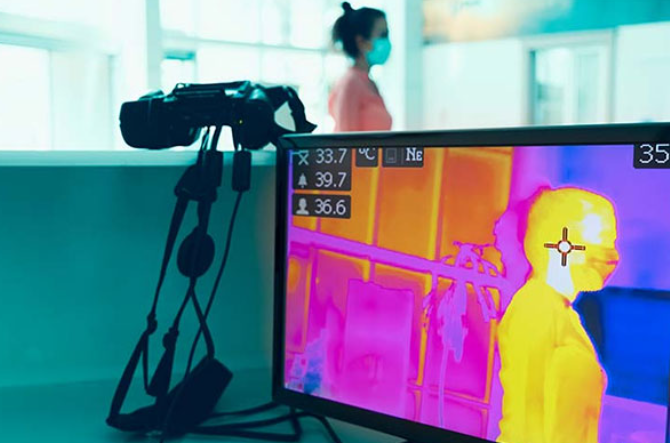
Infrared imagers help identify and quantify heat sources. This has wide applications in the construction, agriculture, security, and surveillance industries.
For example, when monitoring large power infrastructure, infrared cameras help prevent disasters. Typically, electrical components begin to heat up before they fail. Infrared thermal imagers can monitor the temperature rise of equipment and alert relevant personnel when dangerous temperature thresholds are reached, allowing for preventative maintenance rather than retroactive replacement, which is much more costly.
While infrared imaging is functionally unique compared to traditional machine vision systems, it also has its advantages in specific applications. Infrared thermal imagers excel at detecting infrared energy for imaging beyond the visible spectrum.
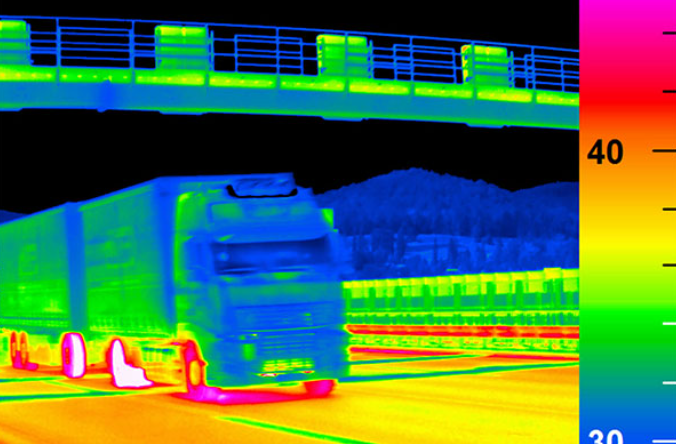
The biggest advantage of infrared imagers is their ability to operate in low-light conditions, something that cameras with ordinary CCD or CMOS sensors struggle with. This is particularly useful for security and surveillance, as nighttime conditions have no impact on infrared thermal imagers.
Furthermore, infrared thermal imagers can offer an explosive return on investment (ROI) even compared to typical machine vision systems. In the examples outlined above, companies can save significant amounts of money by avoiding downtime, maintenance costs, and the cost of new equipment. These costs are negligible compared to the cost of an infrared thermal imager, creating an incredible ROI.