











Laser rangefinders have become indispensable tools in industries such as surveying, engineering, power utilities, forestry, security, hunting, emergency rescue, and environmental monitoring. However, choosing the right model depends on your specific application, measurement range, accuracy requirements, and environmental conditions.
This guide explains the key factors to consider when selecting an ONICK Laser Rangefinder, helping professionals and distributors identify the most suitable solution for their projects.
Why Choosing the Right Laser Rangefinder Matters
Different industries have different measurement requirements. A hunting rangefinder designed for 1,000 meters may not be suitable for power line inspection or border surveillance, where distances of several kilometers are common.
Selecting the correct device improves:
Measurement accuracy
Operational efficiency
User safety
Data reliability
Return on investment
ONICK offers a comprehensive range of laser rangefinders to meet diverse professional needs.
Step 1: Determine Your Required Measurement Range
The first consideration is the maximum distance you need to measure.
| Application | Recommended Range |
|---|---|
| Golf | 600–1,000 m |
| Hunting | 1,000–2,000 m |
| Forestry | 1,500–3,000 m |
| Construction | 600–2,000 m |
| Surveying | 2,000–5,000 m |
| Power Line Inspection | 2,000–5,000 m |
| Border Security | 5,000–20,000 m |
| Marine Observation | 5,000–20,000 m |
Choosing a rangefinder with an appropriate range ensures reliable performance while avoiding unnecessary costs.
Step 2: Evaluate Measurement Accuracy
Accuracy is one of the most important specifications.
Professional users should look for:
High precision laser technology
Stable measurement performance
Fast response time
Consistent readings
ONICK professional laser rangefinders deliver high-precision measurements suitable for demanding industrial applications.
Step 3: Consider Optical Performance
Laser performance is only part of the equation. Optical quality determines how easily you can locate and identify distant targets.
Look for features such as:
Fully Multi-Coated (FMC) lenses
High-transmission prism systems
HD image quality
Wide field of view
High contrast
Comfortable eye relief
These optical advantages improve observation in low-light and long-distance conditions.
Step 4: Choose the Right Measurement Functions
Modern ONICK laser rangefinders offer more than simple distance measurement.
Available functions may include:
Line-of-Sight Distance
Horizontal Distance
Vertical Height
Angle Measurement
Continuous Scan
Speed Measurement
Flag Lock Mode
Slope Compensation
Two-Point Height Measurement
Area Calculation
Electronic Compass
GPS Positioning
Bluetooth Data Transfer
Select a model with the features that match your daily workflow.
Step 5: Assess Environmental Durability
Professional users often work in harsh outdoor environments.
Choose a laser rangefinder with:
Waterproof construction
Dust-resistant housing
Shock-resistant design
Long battery life
Wide operating temperature range
These features ensure dependable performance in rain, snow, forests, deserts, and industrial sites.
Step 6: Match the Device to Your Industry
Surveying and Construction
Recommended features:
High accuracy
Long measurement range
Height calculation
Horizontal distance
Bluetooth connectivity
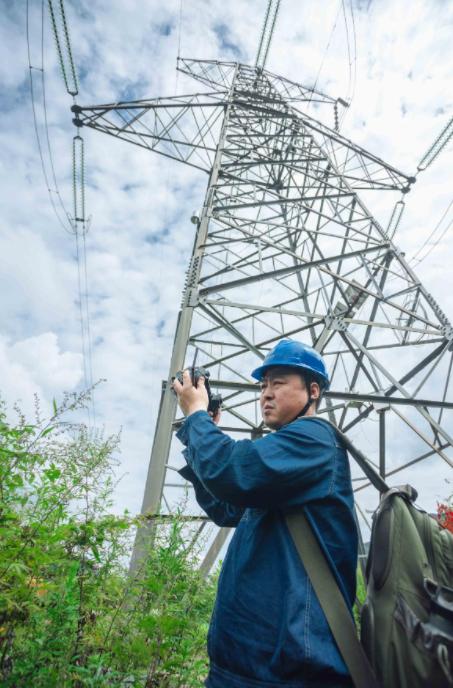
Power Utility Inspection
Essential functions include:
Long-range measurement
Height measurement
Angle compensation
GPS positioning
Data recording
These capabilities improve inspection efficiency while reducing safety risks.
Forestry and Environmental Monitoring
Recommended features:
Tree height measurement
Lightweight design
Long battery life
Continuous scan mode
Rugged outdoor construction
Security and Law Enforcement
Professionals benefit from:
Ultra-long measurement range
Fast target acquisition
Electronic compass
HD optics
Reliable performance in all weather conditions
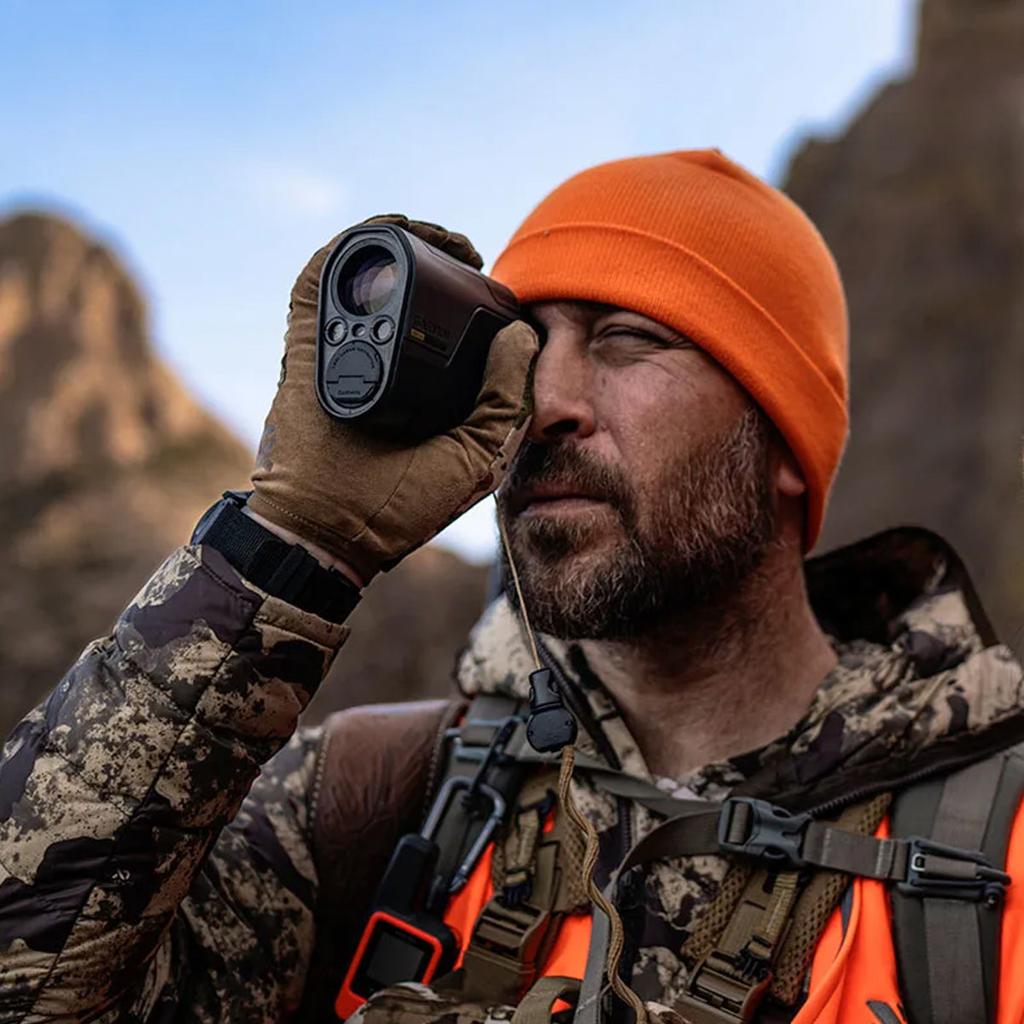
Hunting and Outdoor Recreation
Important considerations:
Compact size
Lightweight design
Fast measurement
Slope compensation
High optical clarity
Why Professionals Choose ONICK
ONICK is recognized for delivering reliable optical and laser measurement solutions for customers worldwide.
Key advantages include:
Professional optical engineering
Advanced laser ranging technology
Strict quality control
Factory-direct manufacturing
OEM & ODM services
Technical support
Global distribution network
Fast international delivery
Our products are widely used in engineering, industrial inspection, emergency response, public safety, and outdoor applications.
Frequently Asked Questions
What is the difference between a hunting laser rangefinder and an industrial laser rangefinder?
Hunting models are optimized for portability and quick target acquisition, while industrial models focus on long-range measurement, advanced calculation functions, and higher durability.
Can ONICK laser rangefinders measure height?
Yes. Many professional models support vertical height measurement and two-point height calculation.
Are ONICK laser rangefinders waterproof?
Most professional models feature waterproof and dust-resistant designs for reliable outdoor operation.
Which model is best for power line inspection?
Professionals typically choose models with ranges between 2 km and 5 km, angle measurement, GPS positioning, and Bluetooth data transfer for efficient field inspections.
Does ONICK support OEM & ODM cooperation?
Yes. ONICK provides OEM and ODM manufacturing services, custom branding, multilingual packaging, and technical customization for distributors and global partners.
Conclusion
Choosing the right laser rangefinder is essential for achieving accurate measurements, improving productivity, and ensuring operational safety. By considering measurement range, optical quality, intelligent features, and environmental durability, users can select an ONICK laser rangefinder that fits their professional requirements.
Whether you work in surveying, engineering, power utilities, forestry, hunting, or public safety, ONICK offers dependable laser ranging solutions designed for precision and long-term reliability.