











For decades, professionals relied on traditional tools such as measuring tapes, optical instruments, and manual calculation methods to determine distances and heights. While these methods remain useful in some situations, they often require more time, more manpower, and direct access to measurement points.
With the development of laser measurement technology, professional users are increasingly choosing ONICK Laser Rangefinders as a faster, safer, and more accurate alternative.
By combining advanced laser sensors, high-performance optics, and intelligent calculation systems, ONICK provides modern measurement solutions for industries including engineering, power inspection, forestry, security, surveying, and outdoor applications.
Traditional Measurement Challenges
Traditional measurement methods often face several limitations:
1. Time-Consuming Operations
Manual measurement may require:
Multiple workers
Physical access to targets
Repeated measurements
Manual calculations
Large projects can become inefficient and increase labor costs.
2. Safety Risks
In industries such as power inspection, construction, and rescue operations, approaching measurement targets can create unnecessary risks.
Examples:
High-voltage transmission towers
Steep mountain areas
Construction structures
Dangerous industrial zones
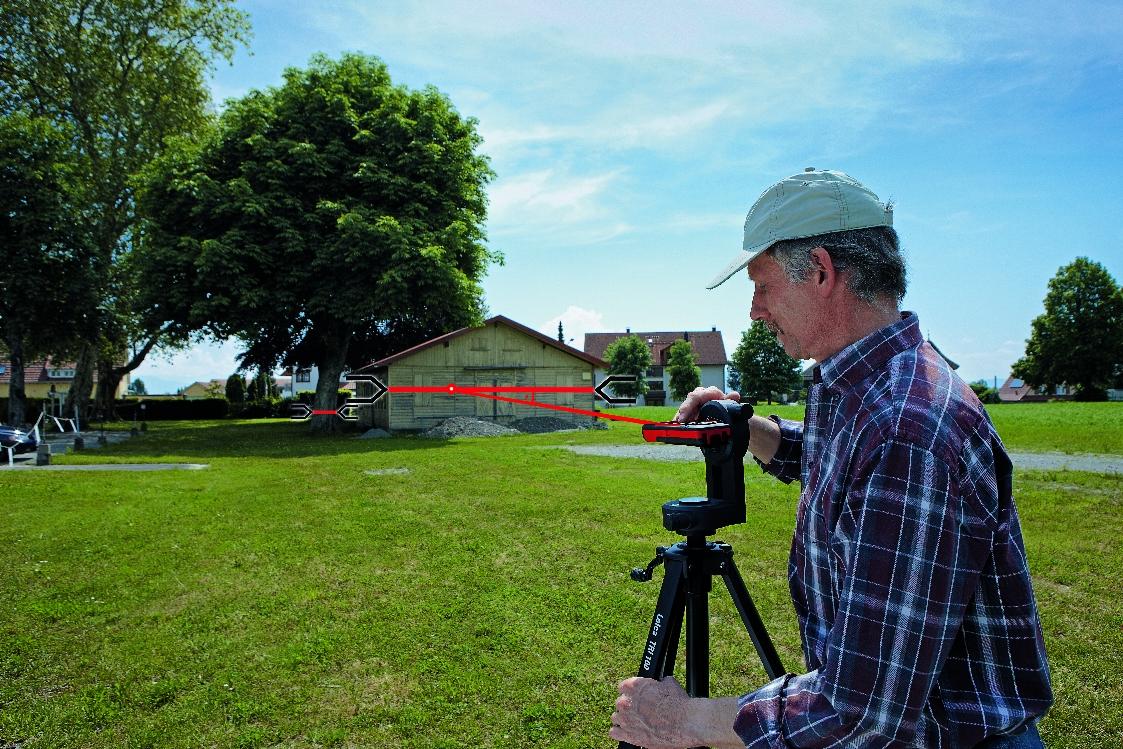
Laser rangefinders allow users to measure from a safer distance.
3. Human Measurement Errors
Manual measurements may be affected by:
Incorrect positioning
Reading errors
Terrain limitations
Environmental conditions
Calculation mistakes
Laser technology provides more consistent and repeatable results.
Advantages of ONICK Laser Rangefinders
Fast Non-Contact Measurement
ONICK laser rangefinders measure distance by sending laser pulses toward a target and calculating the return signal.
Benefits include:
Instant measurement results
No physical contact required
Suitable for difficult terrain
Reduced field operation time
Comparison: Laser Rangefinder vs Measuring Tape
| Feature | Measuring Tape | ONICK Laser Rangefinder |
|---|---|---|
| Measurement Method | Physical contact | Non-contact laser |
| Long Distance | Difficult | Excellent |
| Safety | Requires close access | Remote measurement |
| Speed | Slow | Fast |
| Accuracy | Depends on user | High precision |
| Terrain Adaptability | Limited | Suitable for complex environments |
| Data Recording | Manual | Digital options available |
Comparison: Laser Rangefinder vs Traditional Optical Instruments
Traditional optical instruments often require:
Tripod setup
Multiple operators
Manual calculations
Longer preparation time
ONICK laser rangefinders provide:
Portable operation
One-person measurement
Quick target acquisition
Digital calculation functions
This makes them ideal for field professionals who need mobility and efficiency.
Smart Functions Improve Measurement Efficiency
Modern ONICK laser rangefinders integrate multiple intelligent features.
Distance Measurement
Quickly measure direct distance between the device and target.
Applications:
Engineering
Surveying
Construction
Inspection
Height Measurement
Calculate heights without climbing structures.
Suitable for:
Trees
Buildings
Towers
Utility poles
Angle Measurement
Useful for:
Mountain terrain
Power line inspection
Engineering projects
Outdoor observation
Horizontal Distance Calculation
Provides accurate ground distance even on slopes.
Applications:
Forestry
Surveying
Infrastructure planning
Continuous Scan Mode
Allows users to monitor changing distances continuously.
Suitable for:
Moving targets
Wildlife observation
Security monitoring
Applications Where ONICK Has Advantages
Power Industry
Compared with manual measurement, ONICK helps power professionals:
Measure tower height
Check line clearance
Inspect vegetation distance
Improve maintenance efficiency
Construction Industry
Construction teams use ONICK for:
Building measurements
Structural inspection
Site planning
Project verification
Laser measurement reduces dependence on manual tools.
Forestry Industry
Forest professionals benefit from:
Tree height measurement
Resource surveys
Environmental monitoring
Wildlife research
Security and Emergency Response
ONICK supports:
Long-distance observation
Risk assessment
Rescue planning
Remote measurement
Hunting and Outdoor Activities
Outdoor users can quickly obtain:
Target distance
Terrain information
Angle compensation data
Improving decision-making in challenging environments.
Why ONICK Laser Rangefinders Stand Out
Professional Optical Technology
ONICK combines optical engineering with laser measurement technology.
Features include:
High-transmission lenses
HD viewing system
Clear target identification
Comfortable viewing experience
Durable Industrial Design
Designed for outdoor professionals:
Waterproof structure
Dust protection
Shock resistance
Lightweight body
Ergonomic operation
Intelligent Connectivity
Selected models support:
Bluetooth communication
GPS positioning
Electronic compass
Digital data management
Helping organizations build smarter inspection workflows.
The Future of Laser Measurement Technology
As industries move toward digital transformation, measurement equipment is becoming smarter.
Future laser rangefinders will continue developing toward:
AI-assisted target recognition
Cloud data management
Automated inspection systems
Integrated GIS mapping
Drone-mounted measurement solutions
Real-time data sharing
ONICK continues to focus on optical innovation and intelligent measurement technology to provide professional solutions for global users.
Why Choose ONICK?
Global customers choose ONICK because of:
Professional optical manufacturing experience
Advanced laser measurement technology
Reliable product quality
OEM & ODM capability
Customized solutions
International service support
Competitive factory supply
ONICK provides laser measurement solutions for distributors, engineering companies, government projects, and professional users worldwide.
Frequently Asked Questions
What makes a laser rangefinder better than traditional measuring tools?
A laser rangefinder provides faster, safer, and more accurate non-contact measurement, especially for long-distance or difficult-to-access targets.
Can ONICK laser rangefinders replace surveying equipment?
For many distance, height, and angle measurement tasks, ONICK laser rangefinders provide an efficient alternative. Complex surveying projects may still require specialized surveying systems.
Are laser rangefinders suitable for outdoor environments?
Yes. Professional ONICK models are designed for outdoor applications with durable construction and weather-resistant features.
Who uses ONICK laser rangefinders?
ONICK products are used by:
Engineers
Surveyors
Utility companies
Forestry professionals
Security teams
Emergency responders
Hunters
Outdoor enthusiasts
Conclusion
The evolution from traditional measurement tools to laser technology represents a major improvement in speed, accuracy, and safety.
ONICK Laser Rangefinders provide professionals with advanced measurement capabilities, intelligent functions, and reliable outdoor performance. From power infrastructure and construction projects to forestry, security, and outdoor exploration, ONICK helps users complete measurement tasks more efficiently.