










Night vision goggles (NVGs) have become essential tools in many fields, such as military operations, law enforcement, and search and rescue. But can civilians, or non-professionals, own and use night vision devices? The short answer is yes, civilians can own night vision goggles, but there are important factors and legal considerations involved.
1. Types of Night Vision Goggles Available to Civilians
Not all night vision goggles are the same, and there are different types and generations of NVGs available on the civilian market. Here are the main categories:
Generation I (Gen I):
Basic Technology: Gen I devices are the oldest and least advanced in terms of image clarity, range, and durability.
Common Use: These goggles are affordable and are typically used for basic recreational purposes like hunting or camping.
Pros: Low cost, decent for short-range use.
Cons: Limited performance in total darkness, lower image quality.
Generation II (Gen II):
Improved Performance: Gen II devices offer better image quality, sensitivity, and a longer range than Gen I. They use a microchannel plate to amplify light more effectively.
Common Use: These are often used by enthusiasts who require more quality, such as hunters, outdoor explorers, and private security firms.
Pros: Better clarity and range, performs better in low-light conditions.
Cons: Higher cost than Gen I.
Generation III (Gen III):
Military-Grade Technology: Gen III devices are the most advanced NVGs on the civilian market. They provide the clearest images, longest range, and best performance in low-light conditions, thanks to the use of gallium arsenide (GaAs) photocathodes.
Common Use: These are used by some law enforcement agencies, military contractors, and high-end civilian users.
Pros: Exceptional image quality, superior low-light performance.
Cons: Expensive, typically costing thousands of dollars.
Generation IV (Gen IV) and Other Technologies:
Highly Specialized: Gen IV NVGs are used for the most advanced and specialized applications, but they are often not available for civilian use due to their military and government use restrictions.
Thermal Imaging: Some civilians may opt for thermal imaging devices, which detect heat signatures rather than relying on ambient light. These are becoming more popular in hunting and security applications.
2. Legal Considerations for Civilians Owning NVGs
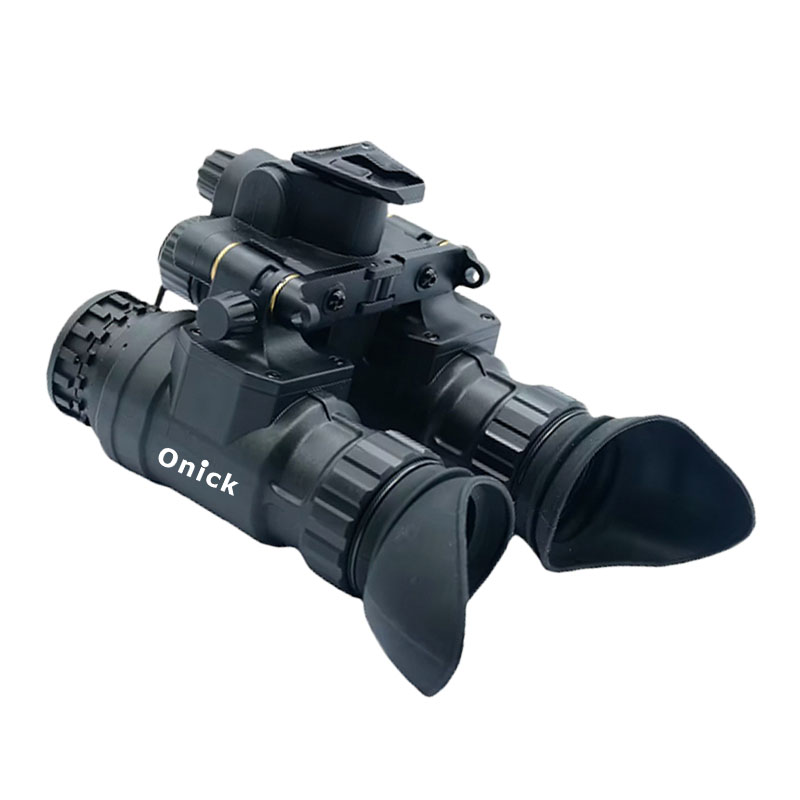
In most countries, owning night vision goggles as a civilian is legal, but there are specific regulations regarding the type of night vision equipment one can buy, especially when it comes to military-grade devices like Gen III or Gen IV models.
In the United States:
Gen I and Gen II: These devices are generally legal for civilians to own, and they are sold widely in stores and online.
Gen III: While civilians can legally own Gen III devices, their importation and sale are regulated. The U.S. Department of State controls the export of Gen III NVGs through the International Traffic in Arms Regulations (ITAR), which restricts who can sell and distribute these devices.
Export Laws: Some military-grade night vision devices may be restricted from being exported to certain countries. Civilians who purchase NVGs in the U.S. should be aware of any legal restrictions when traveling abroad or shipping them internationally.
In the United Kingdom:
Gen I and Gen II: Civilians can purchase Gen I and Gen II night vision devices legally. There are no significant restrictions on the sale of these lower-end models.
Gen III: These devices are more heavily regulated in the UK. They can be obtained legally, but only with specific licenses or if they are classified as "civilian-grade." Any military-grade NVGs (which may be classified as "dual-use" technologies) may require a license.
In Canada and Other Countries:
The rules vary by country, but generally:
Gen I and Gen II devices are widely available for civilian use in most nations.
Gen III and Gen IV devices are subject to stricter control, and civilian purchase may be limited or require special authorization.
3. Why Do Civilians Use Night Vision Goggles?
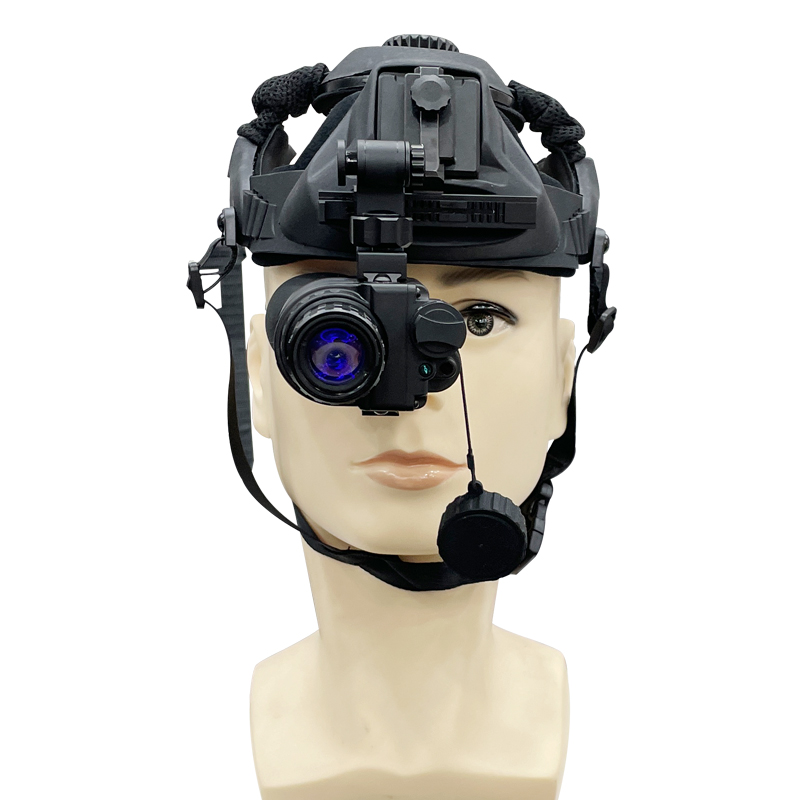
Although originally designed for military, law enforcement, and security use, NVGs have found their place in civilian applications as well. Here's why people might want to own them:
Hunting and Outdoor Activities:
Night vision goggles have become a popular tool for hunters, particularly for those who hunt nocturnal animals like raccoons, hogs, or coyotes. They help hunters spot animals without the use of bright flashlights, which could scare off their prey.
For outdoor enthusiasts, NVGs also enhance safety and navigation during nighttime hiking, camping, or boating.
Home Security:
Some homeowners use NVGs for private security purposes, either to patrol their property or monitor areas around their home in the dark. This allows them to detect potential intruders without alerting them with bright lights.
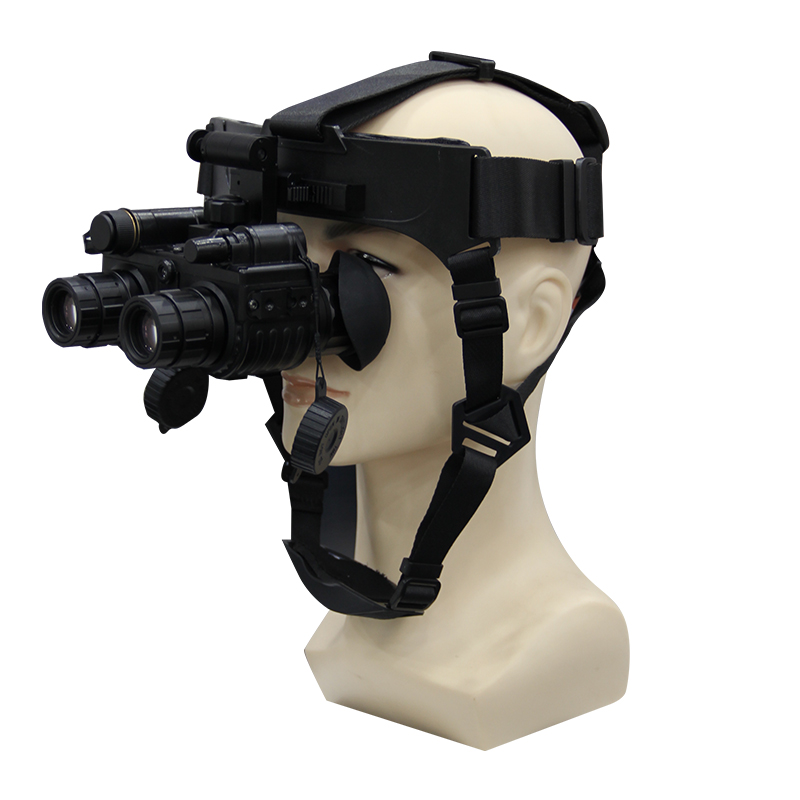
Wildlife Observation:
Nature enthusiasts may use NVGs to observe nocturnal animals in their natural habitats without disturbing them. This is popular in safaris or wildlife tours.
Tactical and Recreational Shooting:
Airsoft or paintball enthusiasts sometimes use NVGs for night games, adding a tactical advantage in low-light conditions. Similarly, some civilians enjoy training with NVGs for personal defense scenarios.
Search and Rescue:
Civilians involved in volunteer search and rescue operations may use NVGs to assist in finding missing people in low-light conditions.
4. Cost and Maintenance
The price range for night vision goggles can vary widely:
Gen I devices can cost anywhere from $100 to $500, making them accessible for most civilians.
Gen II devices typically range from $500 to $2,000, offering better image quality and performance.
Gen III devices start around $3,000 and can go up to $10,000 or more for premium models.
It’s also important to consider the maintenance of NVGs. These devices are sensitive equipment and may require professional servicing, especially for high-end models. Battery life, lens cleaning, and storage in proper conditions (i.e., keeping them away from moisture and extreme temperatures) are essential to ensure their longevity.
5. What Are the Limitations of Civilians Owning NVGs?
While owning NVGs is legal in many places, there are some limitations and challenges civilians may face:
Cost: High-quality night vision goggles can be prohibitively expensive for many people.
Performance: Higher-quality NVGs may require more maintenance and care, and they are also sensitive to light sources, meaning they could be damaged if exposed to direct sunlight.
Legality in Some Areas: As mentioned earlier, regulations can vary depending on the country, and certain military-grade devices may require special permissions.
Limited Use: Outside of specific activities, NVGs may not be as useful on a daily basis. Many civilians may find their use limited to certain situations like night hiking, hunting, or personal security.
Conclusion
Civilians can own night vision goggles, but the type of device they can purchase and use depends on various factors, including legal restrictions, cost, and intended use. While devices like Gen I and Gen II NVGs are widely available and accessible, more advanced Gen III models are subject to stricter regulations, particularly in terms of import and export laws. For those who need or want night vision for recreational, security, or professional purposes, it’s important to understand the legal landscape and choose the right device based on their needs and budget.