










When selecting equipment for hunting, security, surveillance, or outdoor observation, many users face the same question: Should I choose a Thermal Imaging Scope or a Night Vision Scope?
Both technologies are designed to improve visibility in low-light environments, but they operate differently and serve different purposes. Understanding their strengths and limitations can help users make the right investment.
Understanding the Technology
Thermal Imaging Scopes
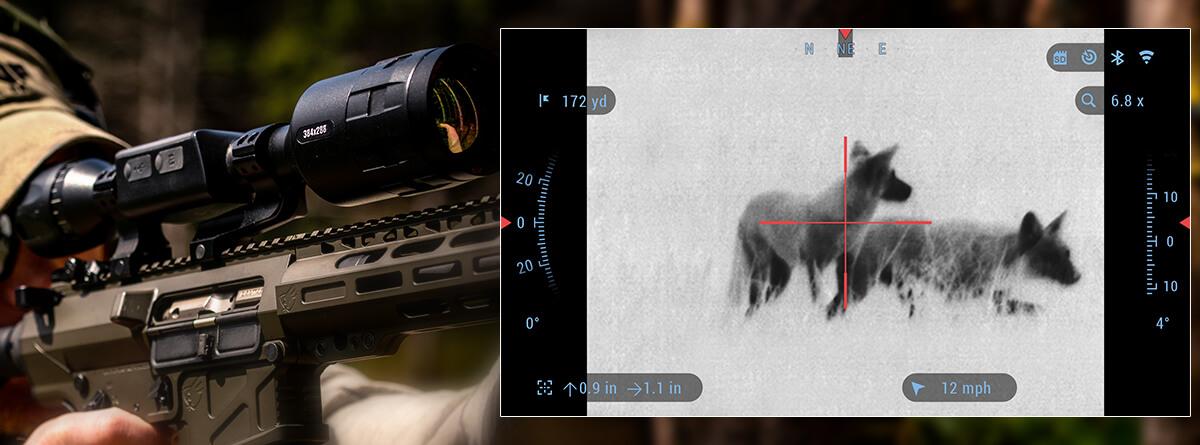
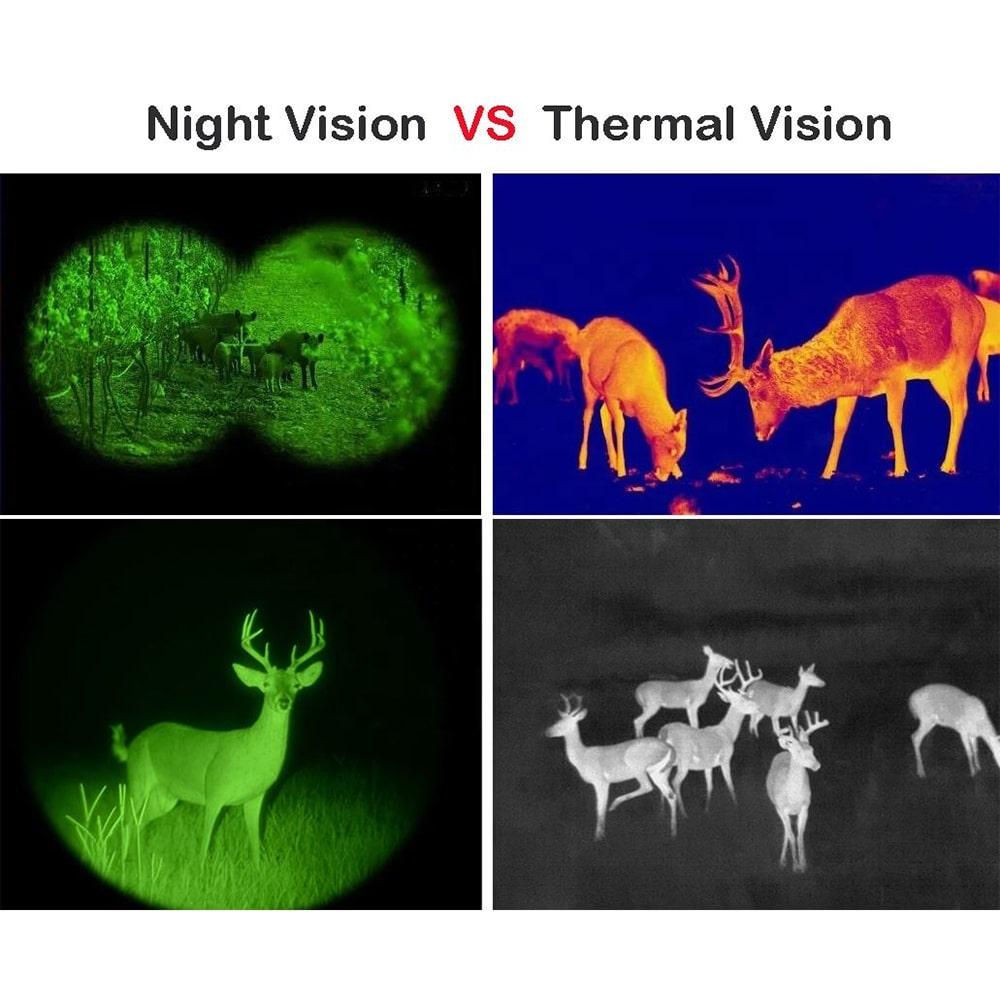
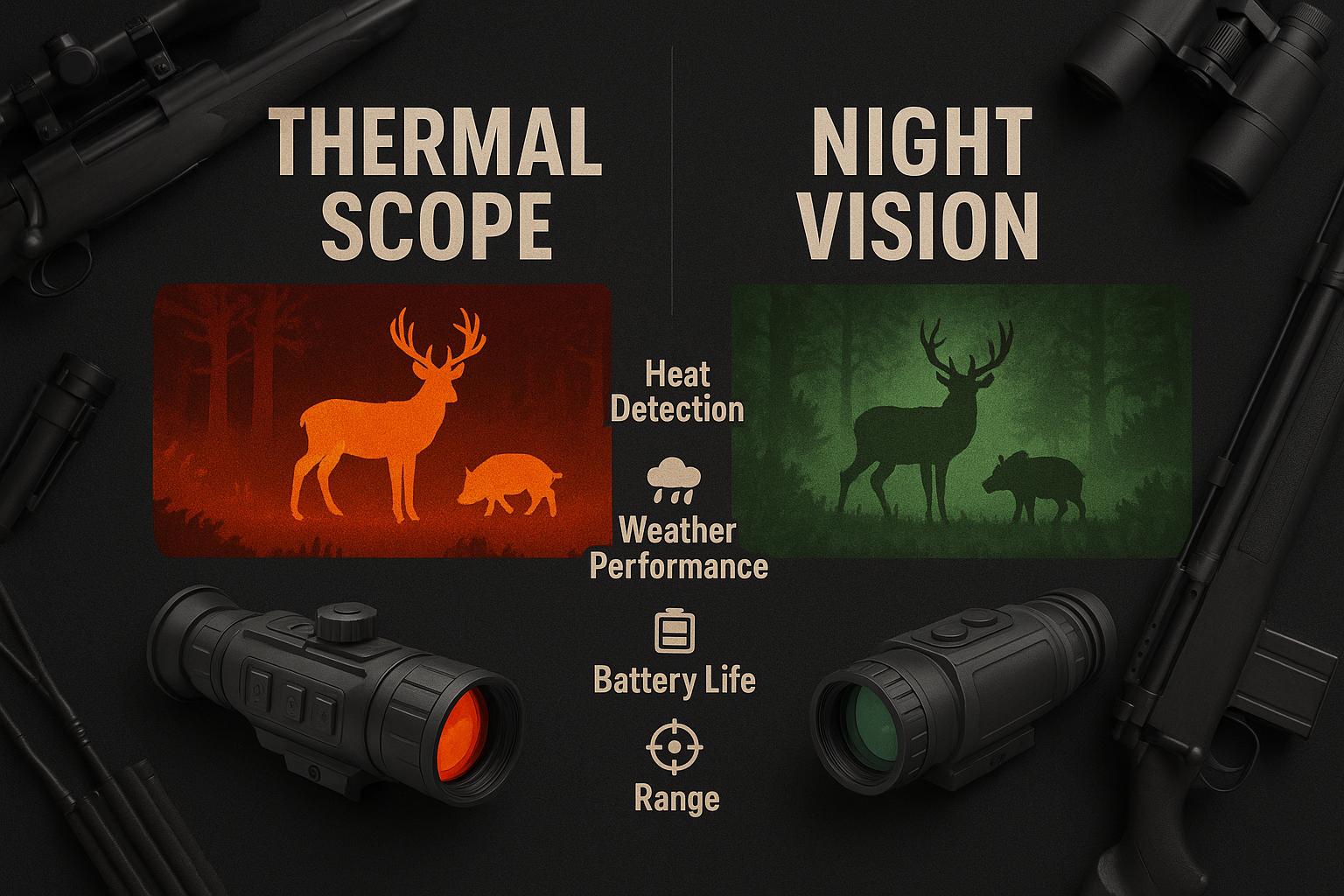
Thermal imaging scopes detect infrared radiation (heat) emitted by objects. Every living creature, vehicle, and piece of equipment produces heat that can be captured by a thermal sensor.
Advantages include:
-
Works in complete darkness
-
Detects heat signatures instantly
-
Performs well in fog, smoke, and haze
-
Identifies concealed targets
-
Effective for long-range detection
Night Vision Scopes
Night vision scopes amplify available ambient light such as moonlight or starlight to create a visible image.
Advantages include:
-
Provides natural-looking images
-
Easier target identification at close range
-
Lower cost than many thermal devices
-
Suitable for observation and navigation
However, performance decreases significantly in complete darkness without an infrared illuminator.
Key Differences Between Thermal and Night Vision
| Feature | Thermal Imaging Scope | Night Vision Scope |
|---|---|---|
| Complete Darkness | Excellent | Limited |
| Fog & Smoke Penetration | Excellent | Poor |
| Heat Detection | Yes | No |
| Image Detail | Moderate | High |
| Long-Range Detection | Excellent | Moderate |
| Target Identification | Good | Excellent |
| Daytime Use | Yes | Limited |
| Concealed Target Detection | Excellent | Poor |
Thermal Imaging Scope Advantages
Superior Detection Capability
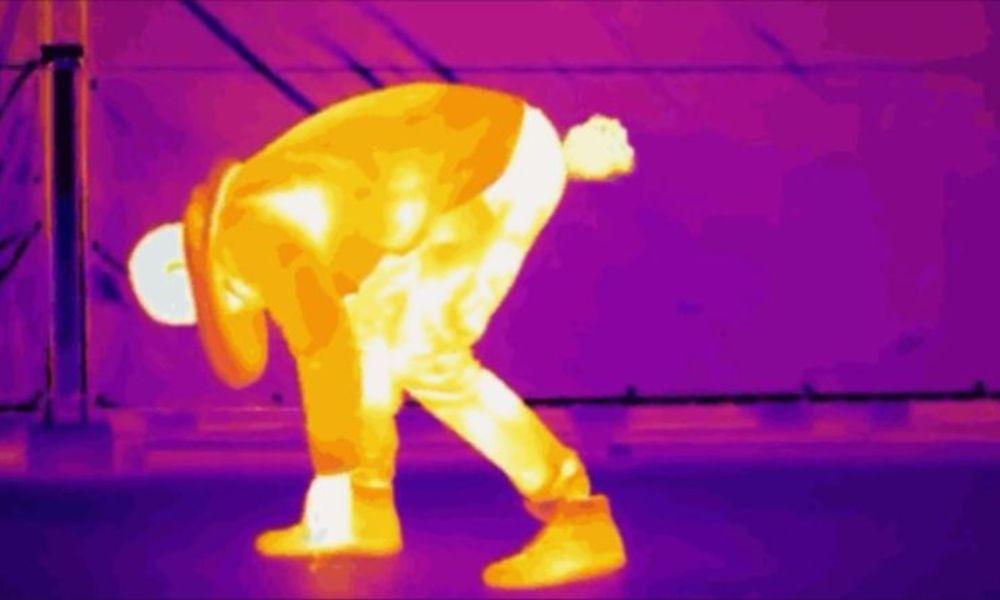
Thermal scopes excel at finding targets quickly. A person, animal, or vehicle stands out clearly against cooler backgrounds.
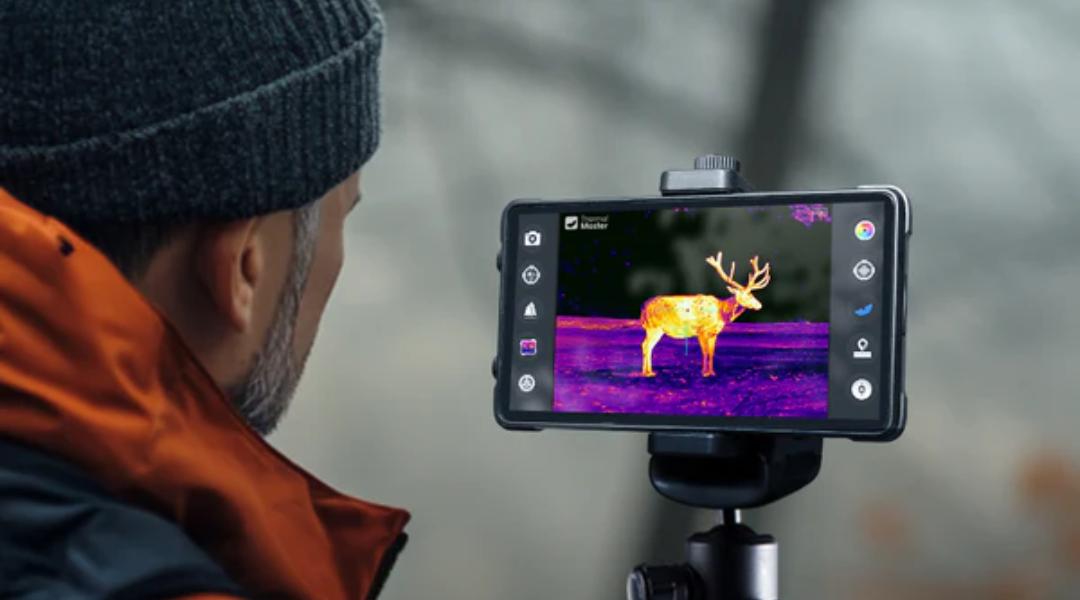

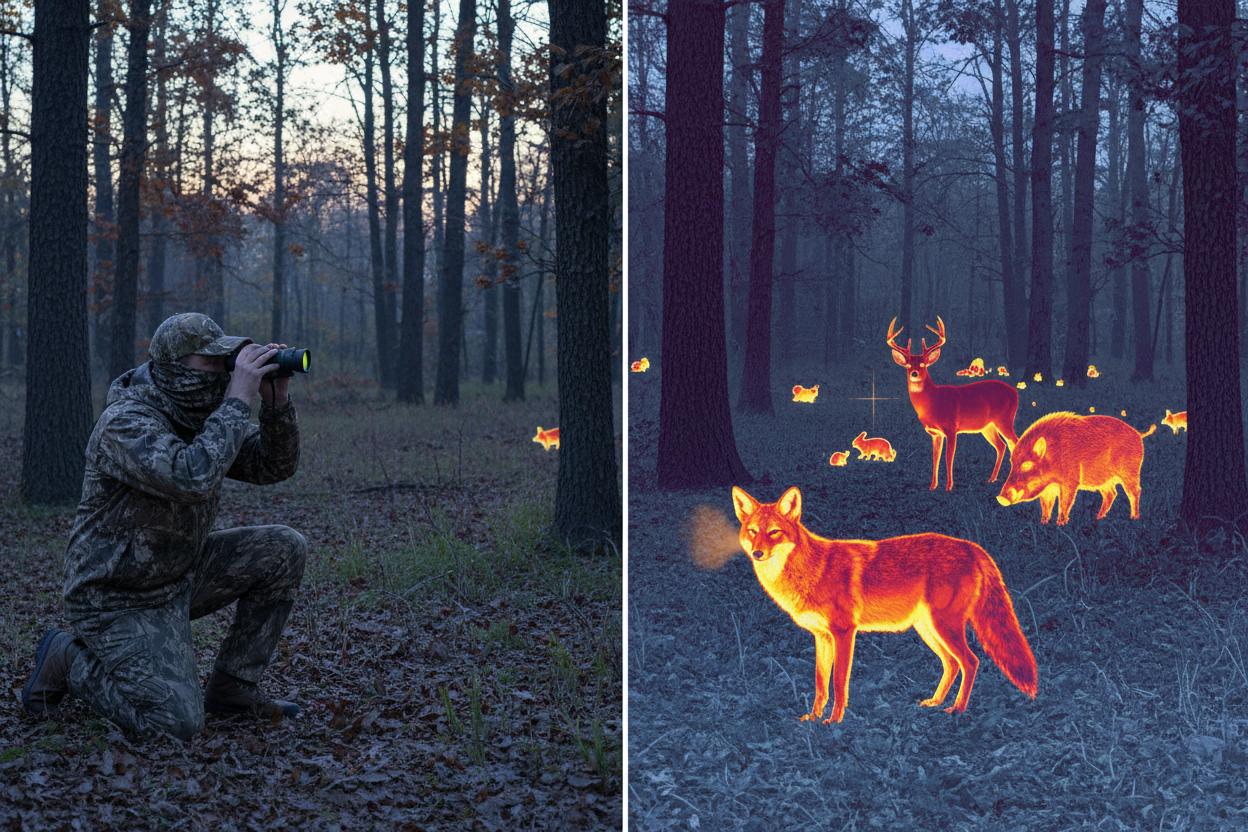
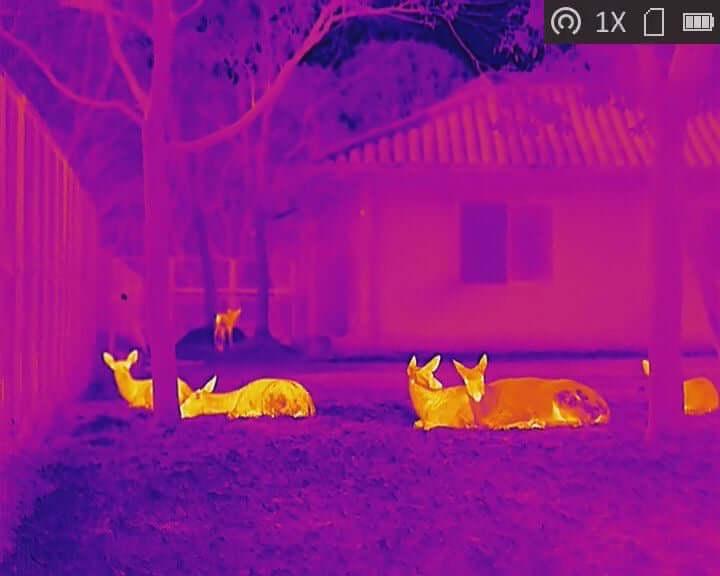
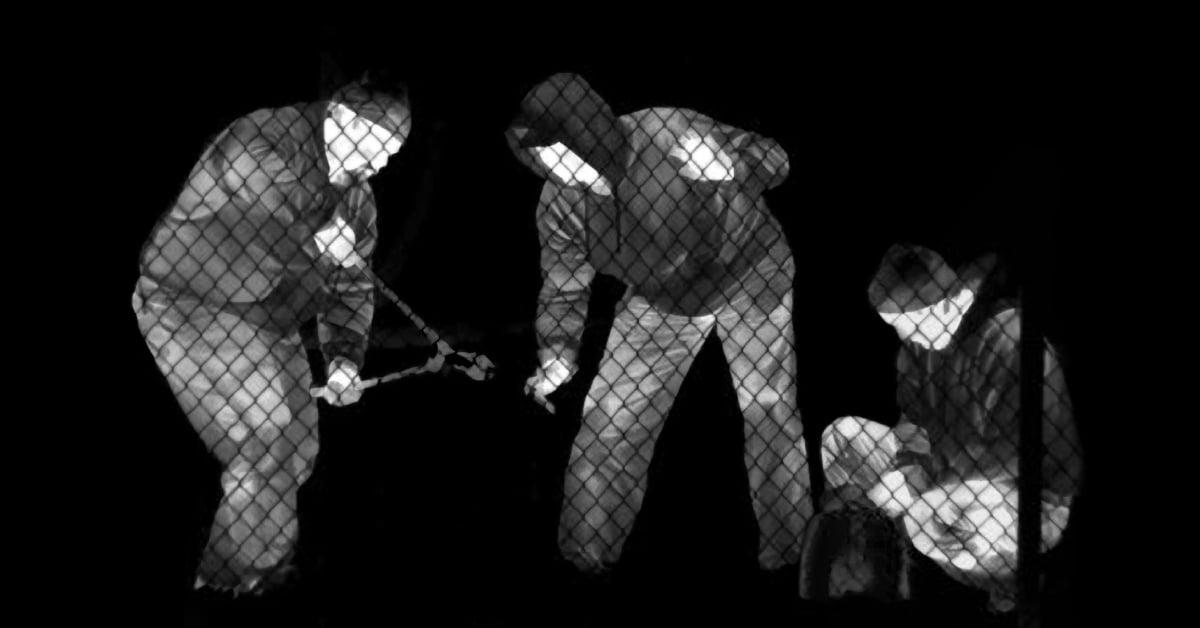
This makes thermal technology ideal for:
-
Hunting
-
Search and rescue
-
Border patrol
-
Security surveillance
-
Wildlife monitoring
Effective in Challenging Conditions
Thermal imaging remains highly effective in:
-
Complete darkness
-
Fog
-
Light rain
-
Smoke
-
Dust
These conditions often limit traditional night vision performance.
Faster Target Acquisition
Because thermal scopes highlight heat sources immediately, users can detect targets faster and cover larger areas more efficiently.
Night Vision Scope Advantages
More Natural Viewing Experience
Night vision devices produce images that resemble traditional optical viewing, making it easier to identify details.
Better Facial and Object Recognition
Users can often recognize clothing, equipment, and environmental features more easily than with thermal imaging.
Cost-Effective Solution
Night vision technology generally offers lower entry costs, making it attractive for recreational users and beginners.
Best Applications for Thermal Imaging Scopes
Hunting
Thermal scopes allow hunters to locate animals hidden in:
-
Tall grass
-
Dense forests
-
Bushes
-
Low-light environments
Security and Surveillance
Security teams use thermal imaging to:
-
Detect intruders
-
Monitor large properties
-
Protect critical infrastructure
-
Improve nighttime awareness
Search and Rescue
Thermal imaging can rapidly identify missing persons through their body heat, reducing search times and improving rescue success rates.
Emerging Trends in Thermal Imaging Scopes
The thermal optics industry continues to evolve rapidly. New products now feature:
-
AI-assisted target recognition
-
Ballistic calculation systems
-
Laser rangefinder integration
-
Ultra-low NETD sensors
-
High-definition AMOLED displays
-
Wireless image transmission
-
Video recording with audio
These innovations are making thermal scopes more versatile and user-friendly than ever before.
Choosing the Right Thermal Imaging Scope
When evaluating a thermal scope, consider:
Sensor Resolution
Higher resolutions provide better detail and target recognition.
Popular options include:
-
384×288
-
640×512
-
1280×1024
Lens Size
Larger objective lenses increase detection range and image clarity.
Refresh Rate
A higher refresh rate ensures smoother tracking of moving targets.
Battery Performance
Look for devices capable of supporting extended field operations.
Additional Features
Modern thermal scopes often include:
-
Laser rangefinders
-
Ballistic calculators
-
WiFi connectivity
-
GPS functions
-
Digital zoom
-
Video recording
Why Thermal Imaging Is Becoming the Preferred Choice
As thermal technology becomes more affordable and advanced, many professionals are transitioning from traditional night vision systems to thermal imaging.
Benefits include:
✔ Faster detection
✔ Greater situational awareness
✔ Better performance in adverse weather
✔ Day and night operation
✔ Enhanced safety and efficiency
For users whose primary goal is target detection rather than detailed identification, thermal imaging often delivers superior results.
Conclusion
Both thermal imaging scopes and night vision scopes have their place in modern observation and detection applications. However, thermal imaging technology offers unmatched target detection capabilities, especially in complete darkness and challenging environmental conditions.
For hunting, surveillance, search and rescue, and professional security operations, thermal imaging scopes continue to set the standard for reliable performance and operational effectiveness.